HAILI
Chengong 1st Road
801 Kaohsiung City, Qianjin District
Tel. +886 72150559
The dishes
Hokkaido Scallop, Water Chestnut, Aged Tangerine Peel
Fuji Salmon, Bergamot, Coconut
Buri, Southern Apricot Kernel, Red Miso
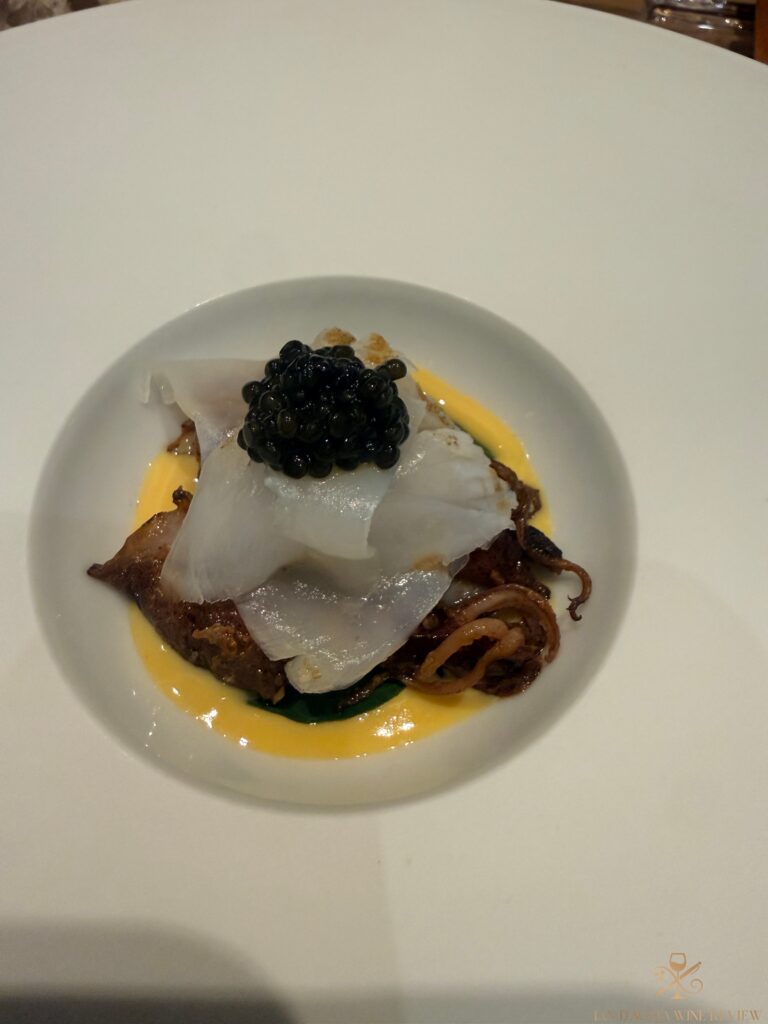
Firefly Squid, Cuttlefish, Squid
Coral Trout, Anchovy, Lily Bulb
White Asparagus, Mugwort, Cherry Leaf
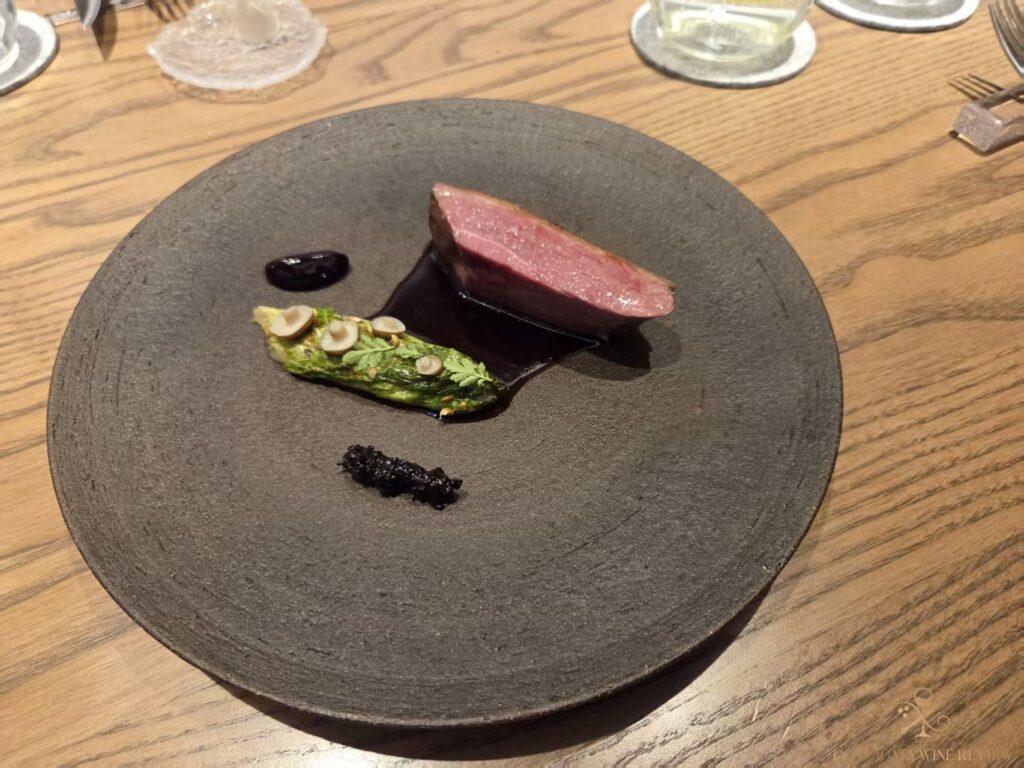
Ohmi Beef, Garlic Scapes, Black Garlic
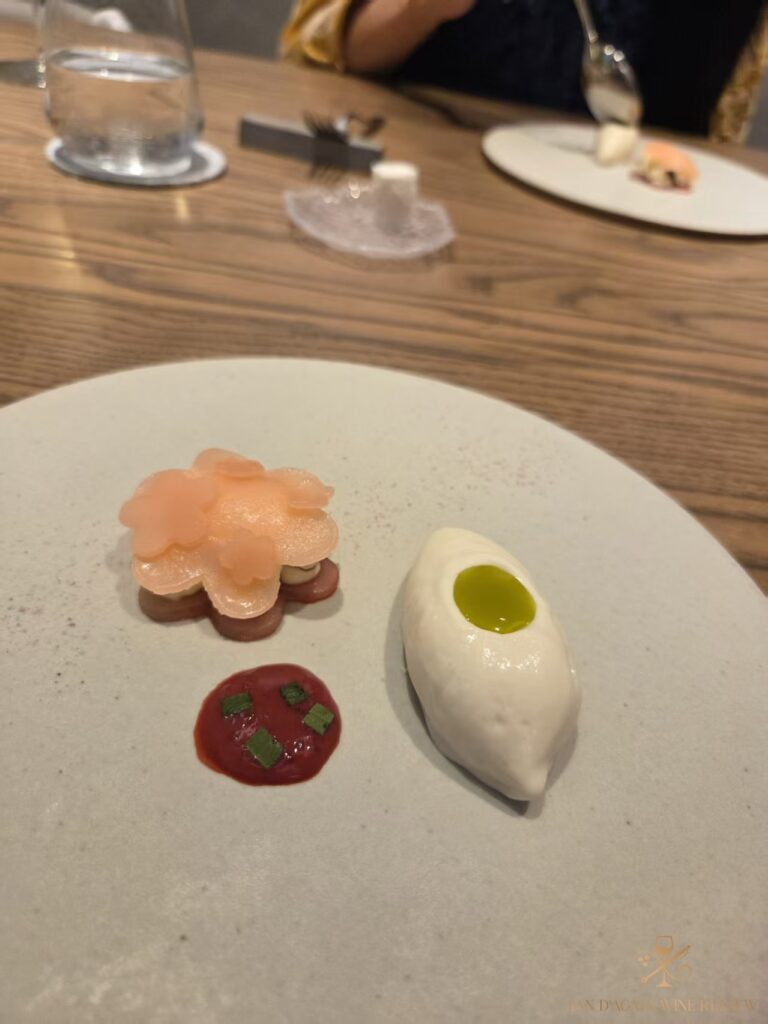
Watermelon, Olive, Jasmine
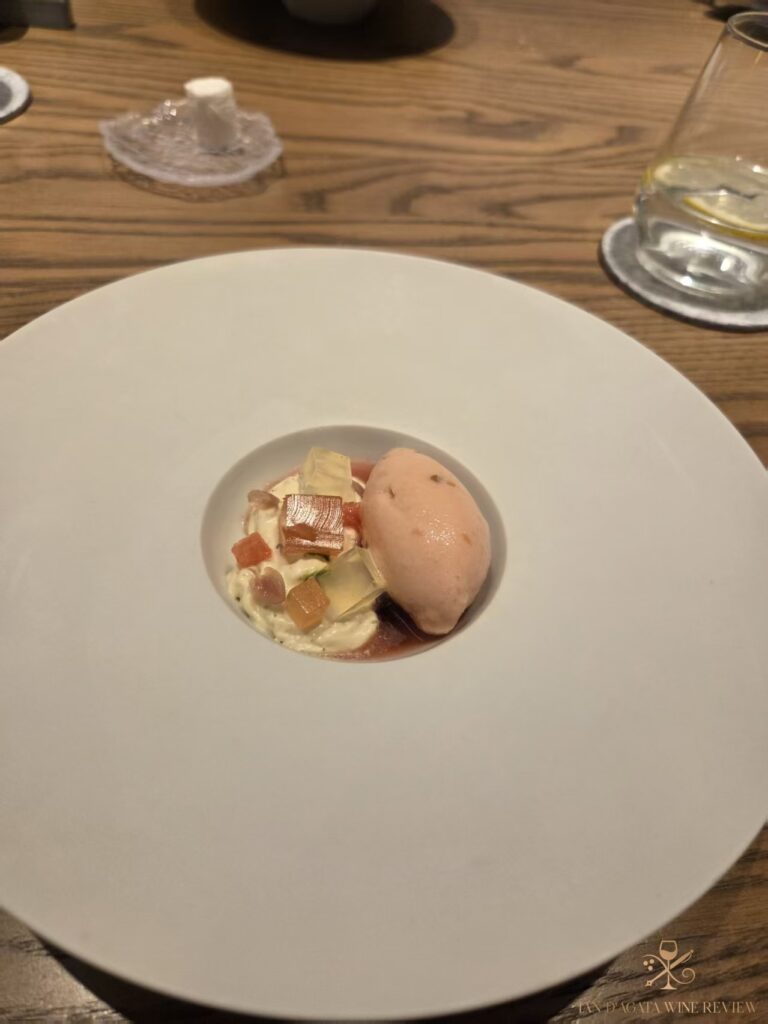
Rose Geranium, Sour Cherry, Sweet Wormwood
Over the past decade, Taiwan’s fine dining scene has reached a new level of maturity. Technical execution is no longer what distinguishes one restaurant from another. Increasingly, the defining factor is whether a chef can articulate a culinary identity that is unmistakably their own.
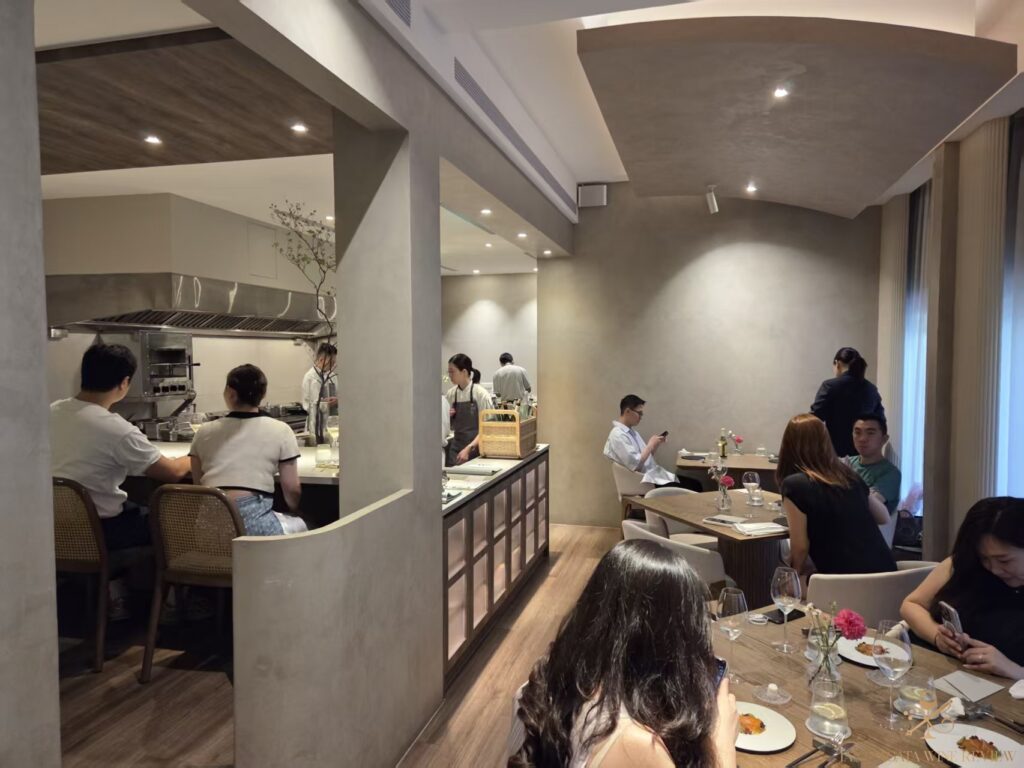
Opened in 2023, HAILI quickly earned a Michelin star. Chef William trained at several of Taiwan’s most influential restaurants—including RAW Taipei, Logy, and Stay by Yannick Alléno. Not surprisingly, his cooking reflects both French and Japanese techniques while drawing deeply from Taiwan’s indigenous ingredients, botanicals and aromatic traditions. The restaurant offers only a single seasonal tasting menu. There is no à la carte selection, and the menu changes continuously throughout the year. Rather than returning for signature dishes, guests come to experience the chef’s latest interpretation of Taiwan’s seasons and terroir.
At first glance, the menu did not seem particularly unusual. Hokkaido scallop, Fuji salmon, buri, coral trout, white asparagus and Ohmi beef are all familiar ingredients in contemporary fine dining. What truly captured my attention was another column of the menu. Aged tangerine peel. Bergamot. Red miso. Cuttlefish. Lily bulb. Mugwort. Cherry leaf. Black garlic. Jasmine. Rose geranium. Sweet wormwood. These botanicals, fermented ingredients and aromatic elements quietly formed the structural backbone of the entire meal.
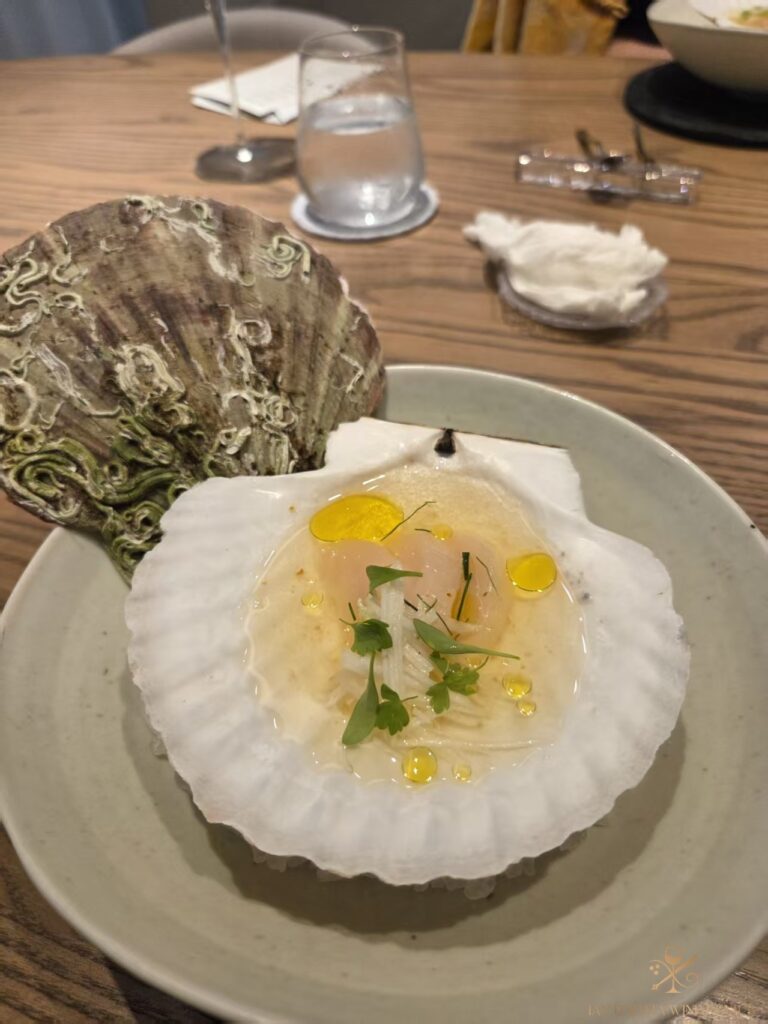
Hokkaido Scallop, Water Chestnut, Aged Tangerine Peel was the opening course that immediately established the philosophy of the menu. The scallop was impeccably fresh, displaying remarkable sweetness and purity. Water chestnut contributed a crisp texture, while the aged tangerine peel never dominated the dish. Instead, it lingered discreetly in the finish, adding subtle citrus lift and a gentle bittersweet note. Nothing felt forced. Without elaborate sauces or dramatic presentation, the dish allowed the quality of the ingredients to speak for themselves. The Fuji Salmon, Bergamot, Coconut was perhaps the most perfectly balanced course of the evening. Bergamot introduced brightness and delicate acidity, while coconut softened the palate with gentle richness, complementing rather than masking the salmon’s natural oiliness. Rather than echoing the bold curing techniques often associated with Nordic cuisine, the dish expressed a quieter, more refined Asian sensibility.

With the Buri, Southern Apricot Kernel, Red Miso creation, the menu began to deepen in flavour. Red miso contributed fermented savouriness, while southern apricot kernel rounded the palate, preventing the miso from becoming overly assertive. It marked the first clear expression of umami during the meal, yet retained an impressive sense of elegance and restraint. But if I had to choose the most layered dish of the evening, it would be the Firefly Squid, Cuttlefish, Squid Firefly squid delivered concentrated marine intensity. Cuttlefish added elasticity, while crisp fried squid introduced another dimension of texture. Three expressions of a single ingredient family created remarkable complexity, allowing every bite to reveal something different. The Coral Trout, Anchovy, Lily Bulb was my favourite dish of the tasting. The coral trout was cooked with exceptional precision, retaining both delicacy and resilience. The anchovy never imposed itself on the fish; instead, it functioned almost invisibly, quietly amplifying the natural savouriness. The lily bulb contributed gentle sweetness and a soft, floury texture, creating a beautifully judged balance between sweetness, salinity and umami. It looked deceptively simple, yet its success depended entirely on proportion. With the White Asparagus, Mugwort, Cherry Leaf dish, our menu left the exploration of umami and shifted the focus toward botanical aromatics. The subtle bitterness of white asparagus intertwined naturally with the herbal fragrance of mugwort and the delicate floral notes of cherry leaf. It was an unmistakably East Asian flavour combination—one rarely encountered in European fine dining—yet it never felt like regional identity was being emphasised for its own sake. The menu’s only meat course was the next dish up: Ohmi Beef, Garlic Scapes, Black Garlic. The beef was cooked with remarkable precision, achieving a beautifully caramelised exterior while remaining succulent inside. Black garlic added layers of fermented sweetness that echoed the concentrated beef jus, while garlic scapes introduced freshness and gentle crunch. Even at the richest point of the meal, balance remained intact. We then enjoyed Watermelon, Olive, Jasmine and I particularly appreciated the placement of this dessert. The watermelon provided freshness and hydration, the olive contributed an almost imperceptible savoury note, and the jasmine lingered elegantly in the finish. Rather than functioning as a conventional dessert, it felt like a thoughtful reset of the palate. Last but not least, the Rose Geranium, Sour Cherry, Sweet Wormwood was the final dish of the menu, a dessert that resisted the temptation to increase sweetness. Instead, the bright acidity of sour cherry, the floral perfume of rose geranium and the subtle herbal bitterness of sweet wormwood brought the tasting menu to an exceptionally graceful conclusion.

By the end of the meal, I realised that no single dish was what stayed with me most. What impressed me was the pacing of the menu as a whole. From seafood to vegetables, then meat, before returning once again to botanicals and fruit acidity, every course served a distinct purpose. Nothing felt repetitive or unnecessary. HAILI does not rely on elaborate molecular techniques or luxury ingredients to create excitement. Instead, it builds its own culinary language by combining the structural discipline of French cuisine, the precision of Japanese cooking and the distinctive flavours of Taiwan’s native ingredients and botanicals.
For a restaurant that opened only in 2023 and so quickly earned a Michelin star, the level of coherence is striking. Ultimately, what makes HAILI memorable is not a signature dish, but the consistency, confidence and clarity of the menu as a complete culinary narrative.

For this meal we brought our own bottle: Tappero Merlo NV Erbaluce di Caluso Cuvée des Paladins Metodo Tradizionale Brut, a traditional-method sparkling wine from Piedmont made entirely from Erbaluce and aged on its lees for a minimum of five years. Its finely textured mousse, vibrant acidity and distinctive combination of citrus freshness and mineral precision made it an exceptionally natural partner for HAILI’s cuisine.

Chef William’s cooking is built not around heavy sauces or overt seasoning, but through fermentation, botanical aromatics and the intrinsic flavours of carefully selected ingredients. Such dishes require a wine with enough acidity and structure to sustain the meal without overwhelming its subtle details. Tappero Merlo fulfilled that role beautifully. Its persistent bubbles continually refreshed the palate, while the lively acidity maintained a remarkable sense of lightness from beginning to end. Notes of bread crust, toasted hazelnut and lees-derived complexity echoed many of the restrained savoury nuances found throughout the menu, while the wine’s mineral backbone complemented the precision of the cooking. It never competed for attention. Instead, it quietly elevated every course, making each dish feel more complete.
Full tasting note