Spago Shanghai
21F, The St. Regis on the Bund, Shanghai
No. 538 Zhongshan Dong Er Road
Huangpu District, Shanghai
Tel. +86 21 5368 8889
The dishes
Roasted Mushrooms Pizza
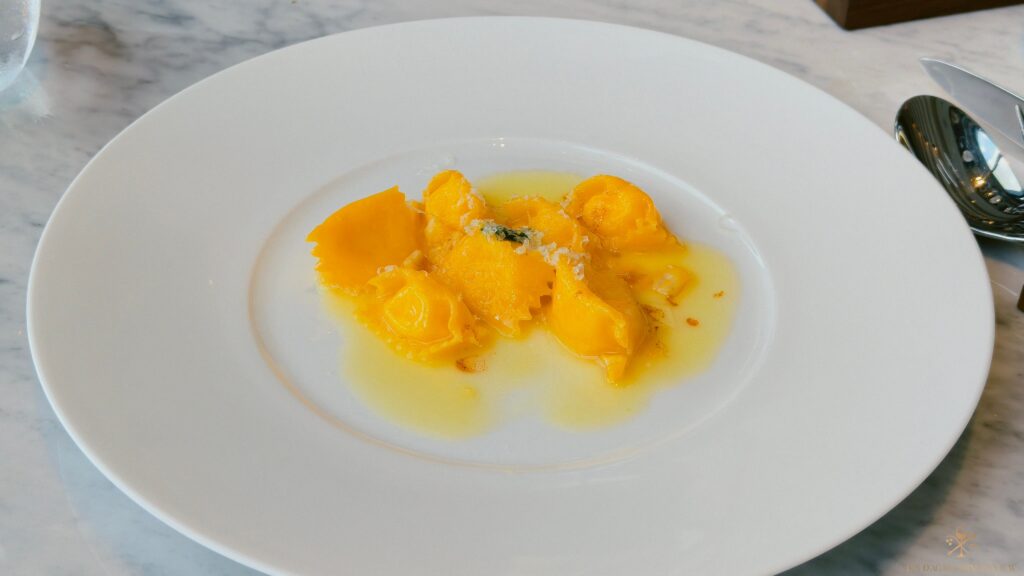
Sweet Corn Agnolotti
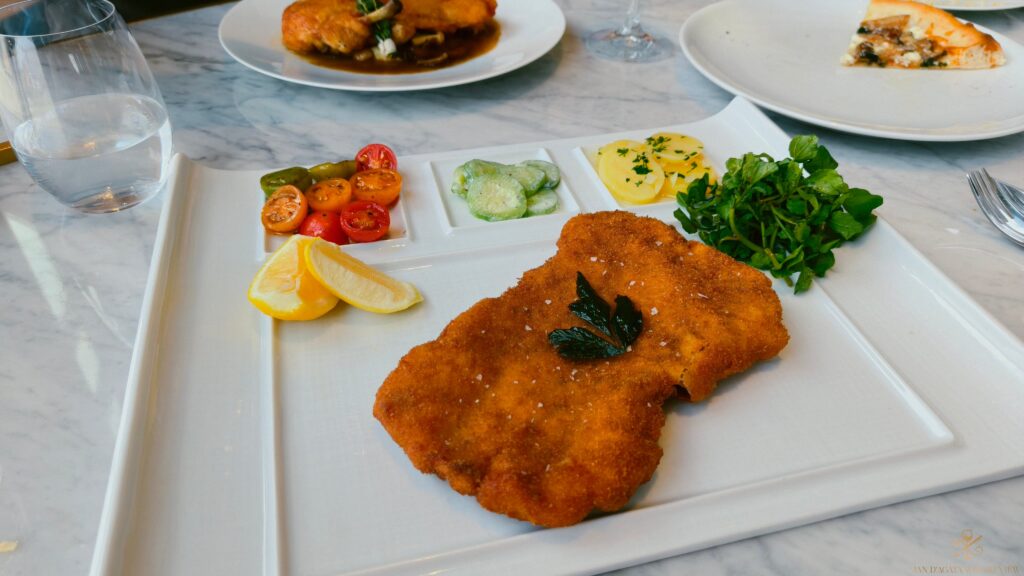
Classic Pork Wiener Schnitzel
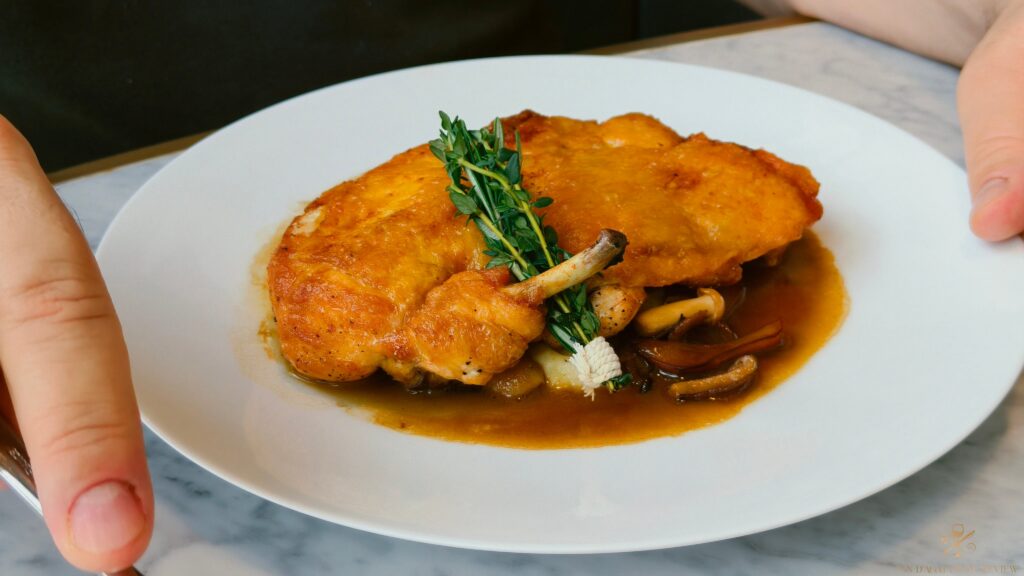
Pan-Roasted Half Chicken
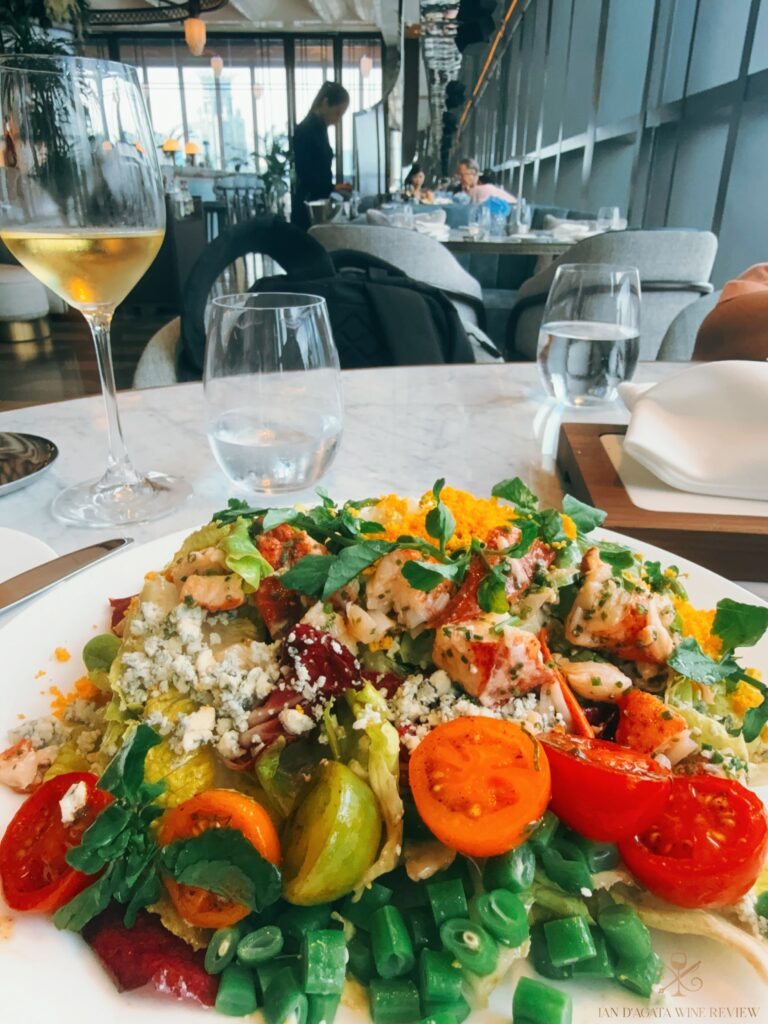
Lobster Cobb Salad
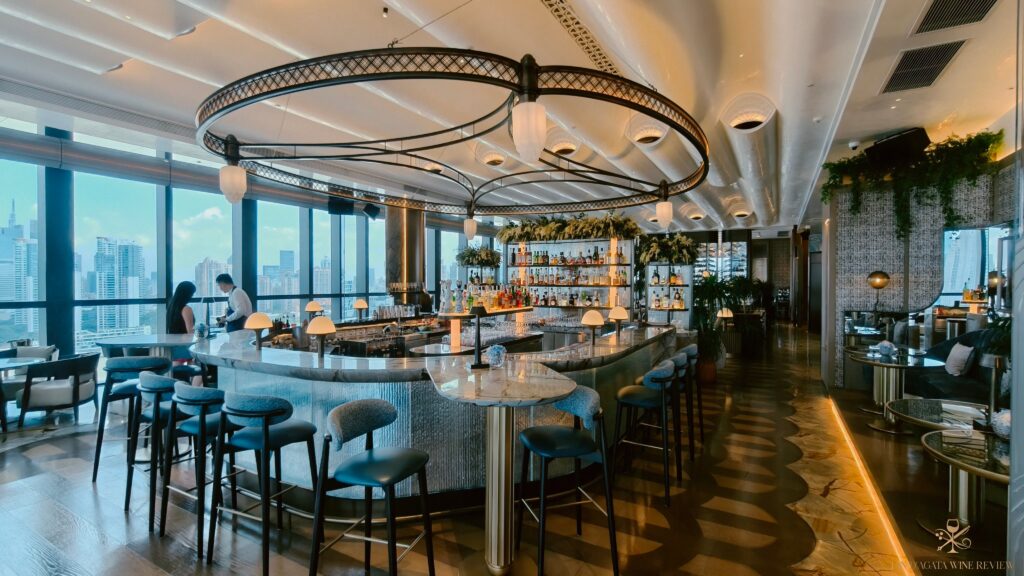
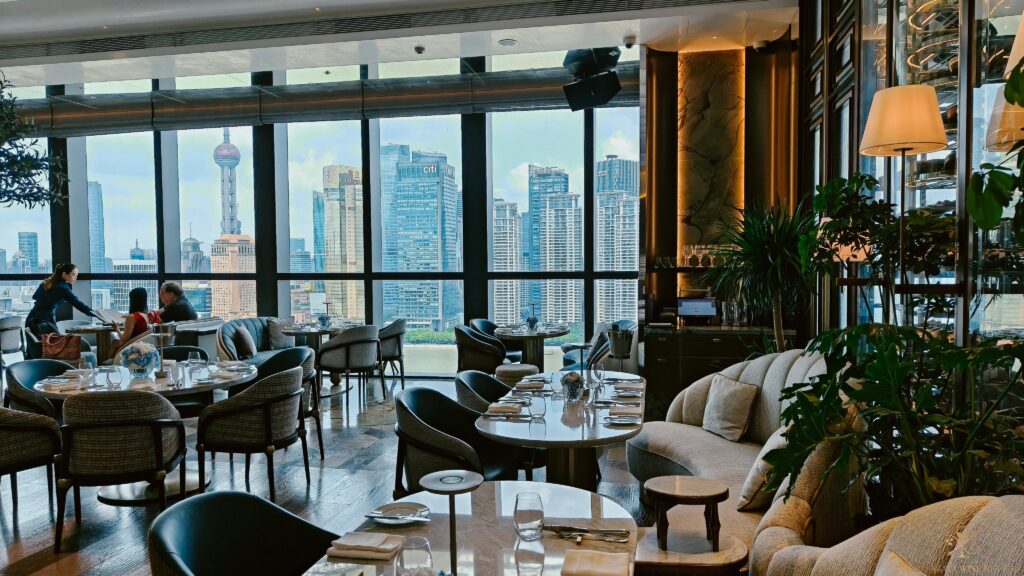
Spago occupies the 21st floor of The St. Regis on the Bund and is Wolfgang Puck’s first restaurant in China. With a terrace, bar and private dining rooms, it is not simply a hotel restaurant for guests. It is an independent dining space aimed at business entertaining, social occasions and visitors to Shanghai.
From an Innovative Los Angeles Restaurant to an Established International Brand
Wolfgang Puck, born in Austria and trained in French kitchens, opened the original Spago in West Hollywood in 1982. At a time when fine dining in the United States was still strongly shaped by French conventions, Spago brought pizza, pasta, local produce and a more relaxed way of eating into an upscale restaurant setting. Its smoked salmon and caviar pizza became one of its early defining dishes. With its close ties to Hollywood, Spago became one of the emblematic names in the development of California cuisine.
Today, Spago is no longer a single restaurant defined by disruption and innovative ideas. What was innovative decades ago, is no longer. It is a mature international brand with more than four decades of history. It retains its early openness—an unwillingness to be bound by one culinary tradition and an ease with cross-cultural combinations—but its focus is now on dependable service, an accessible menu and a complete dining experience. Shanghai inherits this later stage of Spago. It is not an attempt to reproduce the innovation of 1980s Los Angeles, but to place a proven American dining brand within the hotel and social setting of the Bund.
The Dishes: Familiar Classics and a Table Designed for Sharing
At Spago, “California cuisine” is not expressed as a particularly distinct chef’s signature. It functions more as a way of organising the menu: European restaurant dishes sit alongside American, Italian and Asian references, without an insistence on strict culinary boundaries or any need for diners to decode the menu.
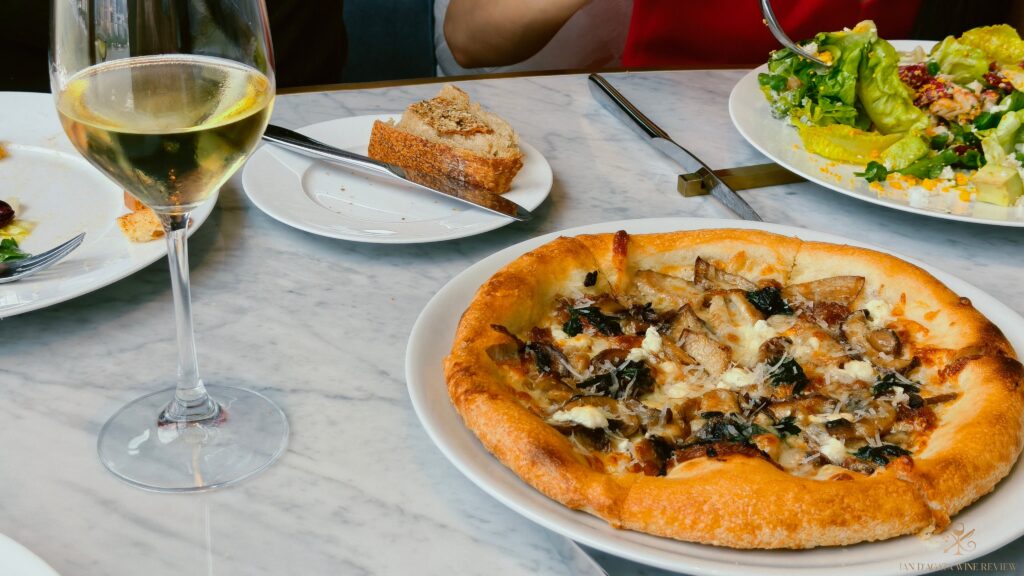
The dishes ordered on this occasion made that approach clear. The roasted mushrooms pizza, with caramelised onions, goat’s cheese and parsley, had a puffy rim and worked well as a dish to share. It does not try to imitate a regional Italian pizza tradition. Instead, it follows a more recognisably American West Coast approach: a familiar format carrying generous aromatics, texture and toppings. The menu also retains Spago’s smoked salmon pizza, one of the brand’s long-standing signatures. The sweet corn agnolotti combined mascarpone, sage and Parmigiano Reggiano. It kept the structure of an Italian filled pasta, but placed the emphasis on the sweetness of corn, the roundness of cheese and the herbal lift of sage. Rather than making a statement about regional Italian pasta, it showed how Spago translates European technique into an approachable restaurant dish. The Wiener schnitzel and half chicken represented the more straightforward European side of the menu. The schnitzel came with warm potato salad, pickled cucumbers, cherry tomatoes and watercress; the chicken with goat’s cheese, mixed mushrooms, potato purée and natural jus. Neither dish relied on elaborate plating to signal refinement. Frying, roasting, sauces and accompaniments did the work, making both suitable for a more formal main course or for sharing among the table. The lobster Cobb salad was the clearest expression of Spago’s American side. Lobster, egg, bacon, tomatoes, avocado and blue cheese made it a substantial dish rather than a light starter. For lunch or a more relaxed dinner, this kind of dish allows the meal to move outside the conventional starter-main-dessert sequence.
Overall, there were no obvious weaknesses. Ingredients, cooking, seasoning and presentation all met the standard expected of this kind of restaurant. At the same time, few dishes created a particularly strong sense of surprise or stayed long in the memory. The purpose of the food is not to challenge the diner, but to allow people with different tastes and backgrounds to order with confidence and complete a meal without friction.
Wine: More Layered Than the Food
Wine is one of the more substantial parts of the Spago experience. In 2026, Spago Shanghai received the Asia regional Best New Wine List award in The World of Fine Wine’s World’s Best Wine Lists Awards, indicating serious attention to the construction of the list.
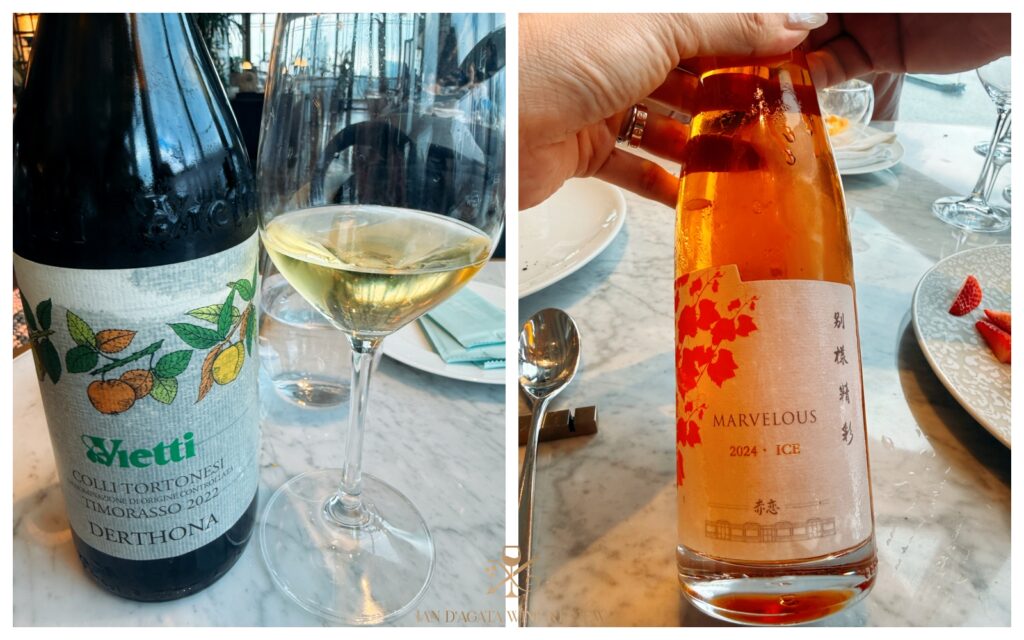
For the main part of the meal, we chose Vietti’s 2022 Colli Tortonesi Timorasso Derthona. From the Tortona Hills of Piedmont, Timorasso has more texture than a typical light white wine while retaining clear acidity, mineral character and a subtle citrus-peel bitterness. It handled the oiliness of the schnitzel and lobster Cobb salad, while also carrying the creaminess of the sweet corn agnolotti, the chicken jus and the savoury depth of the mushroom pizza. It was the most impressive wine of the meal. The lunch ended with the 2024 Marvelous Vidal Ice Wine from United Winery with Liaoning grapes. The winery was developed through a community of wine enthusiasts and an early made-to-order customer base. Served chilled, the wine’s sweet fruit and acidity found a natural partner in strawberries, ending an otherwise international meal with a contemporary Chinese wine. It’s not the most intense or concentrated Vidal sweet wine you will ever drink, but sometimes that’s not bad, given that Vidal’s intensity can sometimes be almost too much of a good thing.
Spago is best suited to business meetings. The setting is polished, the service steady, and the menu is unlikely to make any guest feel unfamiliar or uncomfortable. It does not succeed through an assertive individual culinary voice, nor should it be expected to offer surprise at every course. For a business lunch or dinner that needs to work without risk, it is a dependable choice. For a meal that remains in the memory, the wine, the company and the Bund view may matter more than the food itself.